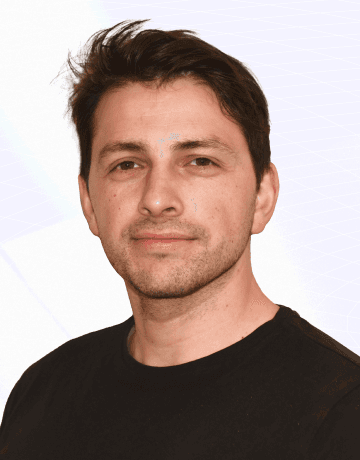

Neuroscientist and lead on the Connectome method, developed with Imperial College London and tested in the LUCID study.

Understand how each patient's brain is performing in ten minutes, so protocols, progress reviews and programme decisions run on evidence.





“What excites me about Connectome is turning decades of neuroscience research into brain measurement people can actually use, and trust, in everyday life.”
Light-based sensors read how much oxygenated haemoglobin the prefrontal cortex draws in during two short tasks. That peak response, HbO max, is the measurement everything else is built on.
Developed with Imperial College London. Read the preprint →
across the front of the brain, not a single sensor
oxygen-rich and oxygen-poor blood, tracked separately
a fresh reading from every channel, for ten minutes
Attention control, working memory, cognitive flexibility and neural efficiency, read from the signal and the patient's task performance.
From the second scan, every measure sits inside the patient's own usual range, with a confidence level. An off day and a real change look different.
Sleep, activity and recovery from Oura, WHOOP, Garmin, Apple or Fitbit, read next to every scan. Lifestyle Links show what moves with the brain.
Every scan adds to the record. Events such as a new protocol, travel or illness are logged against it, so the trend has context.
Scans, usual range, Lifestyle Links and events for every patient, in the consultation and between visits. Patients see their own results in the Connectome app.
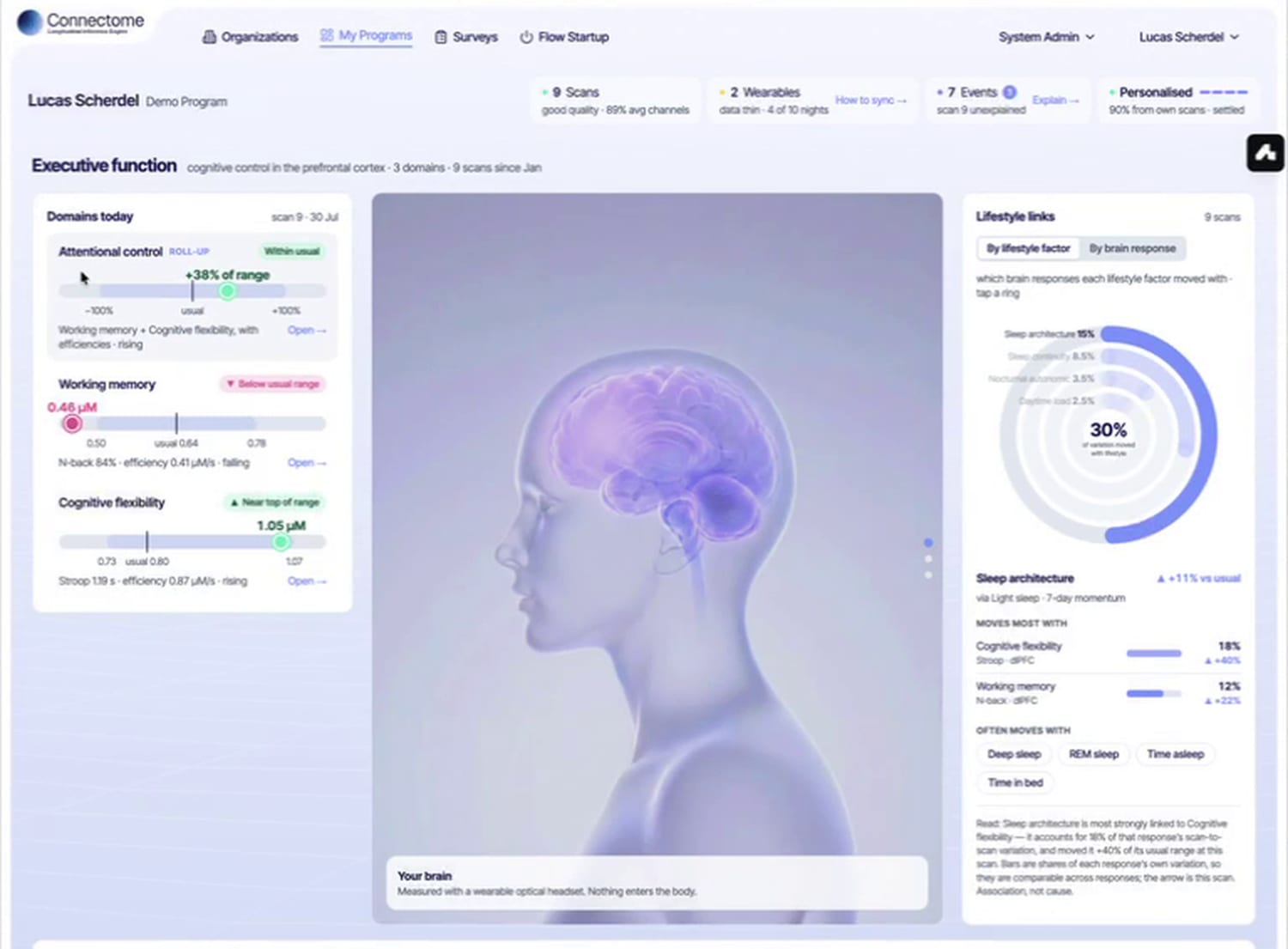
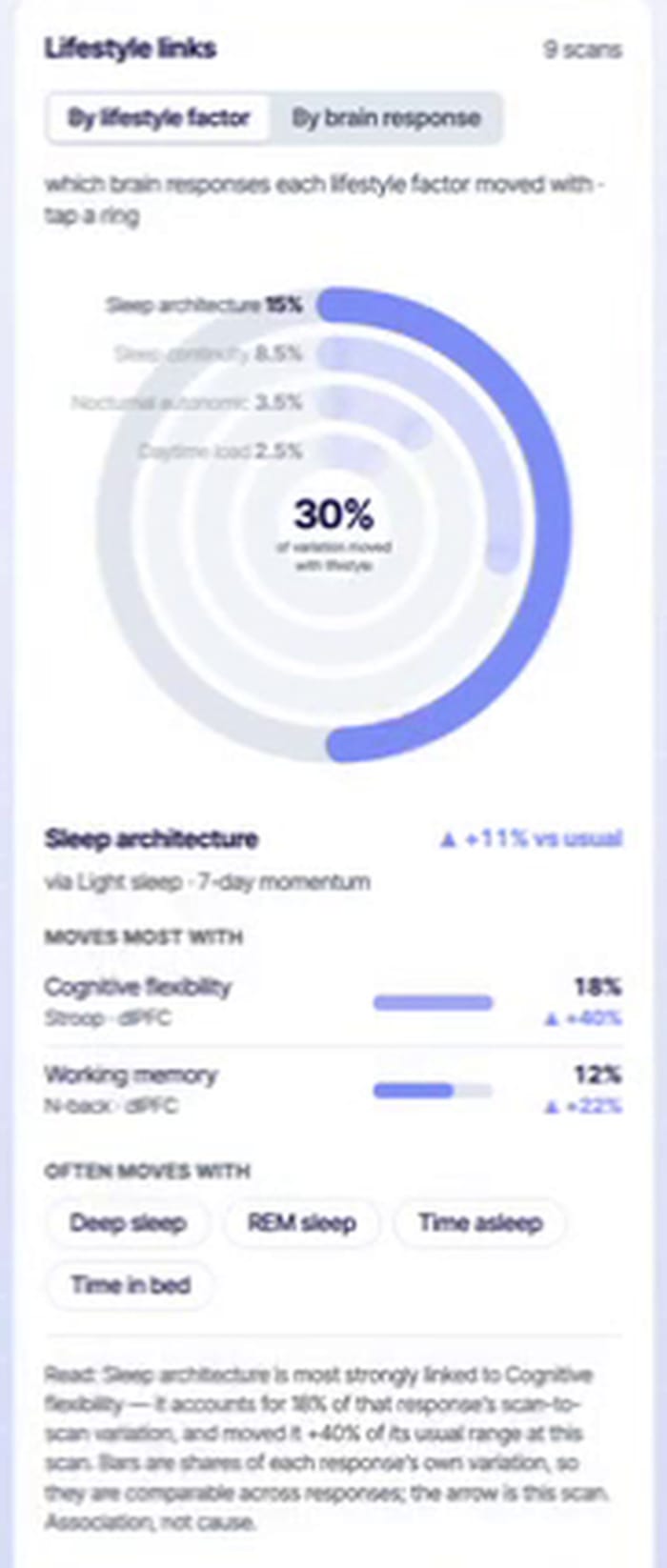
Example screens. Figures are illustrative.
Each patient's Brain Profile tracks four measures against their own usual range, so you can see how they're really doing between visits.
Staying on what matters and filtering out what doesn't.
The patient who says they can't focus at work, and now has a number to put next to it.
Whether focus is holding across the programme, or drifting before the patient notices.
Patients describe fog, poor focus and fatigue. Now there's a baseline you can both see.
Feeling better is good. Attention and memory tracked against their own range is a measurement.
Your clinicians choose the protocol. Connectome measures either side of it, against the patient's own baseline.
One scan is interesting. Four scans over time is intelligence.
| Connectome | Online cognitive tests | EEG | MRI and other neuroimaging | |
|---|---|---|---|---|
| Primary purpose | Longitudinal monitoring of cognitive function | A one-off score | Clinical diagnostics, sleep and seizure studies | Structural or cross-sectional imaging |
| Signal quality | Light-based. Blinks, jaw and muscle movement don't swamp the signal | Depends on the device, the room and the patient's day | Sensitive to blinks, muscle, hair and electrode contact. Needs cleaning before it can be read | High inside the scanner. Any movement spoils it |
| Stability | Prefrontal activation during the tasks is stable across sessions (LUCID preprint, with Imperial College London) | Scores drift with practice and mood | Varies with set-up and electrode contact each session | Stable for structure. Function varies by session |
| Read against | The patient's own usual range, with a confidence level | A population average | Population norms or a qEEG database | Population norms, read by a radiologist |
| Scan duration | Ten minutes | Five to twenty minutes | Twenty to sixty minutes, including set-up | Up to an hour, plus the referral and the wait |
| Usability | Portable, non-invasive & user-friendly (anyone on your team can run the scan after training) | The patient, unsupervised | A trained technician, and someone to interpret the trace | A radiographer, then a radiologist to read it |
| Context integration | Lifestyle Links: sleep, activity and recovery from the patient's wearable | None | None | None |
| The patient's experience | A light headset, in your clinic. No needles, magnets or gel | A laptop | A cap of electrodes, often with gel | A tube, magnets and lying still in a hospital |
| Cost per patient | A fraction of neuroimaging | Low | Moderate, plus a technician's time | High |
Not a replacement for clinical assessment. Connectome does not diagnose, prescribe or automate decisions.
Our method was built with Imperial College London on the LUCID study. Read the preprint →
Neuroscientist and lead on the Connectome method, developed with Imperial College London and tested in the LUCID study.
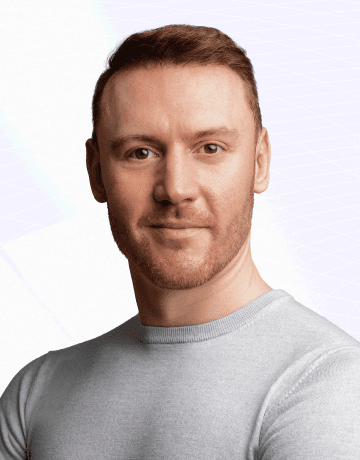
Leads Connectome and its mission to give everyone vital signs for the brain: measures of brain function you can track over time.
Professor of Neurotechnology at Imperial College London, working on how we record and understand brain activity.

Leads partnerships, making sure you and your patients get everything out of Connectome.
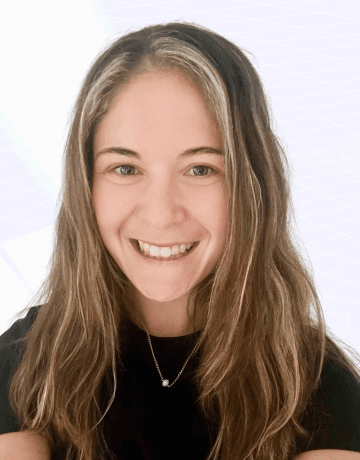
Runs clinical operations and member care, from the first scan to the results walkthrough.
No. Connectome measures brain function for wellness and performance. It is not a medical device and does not diagnose, prescribe or automate decisions. It gives your clinicians a reliable, repeatable measure to read alongside everything else they know about the patient.
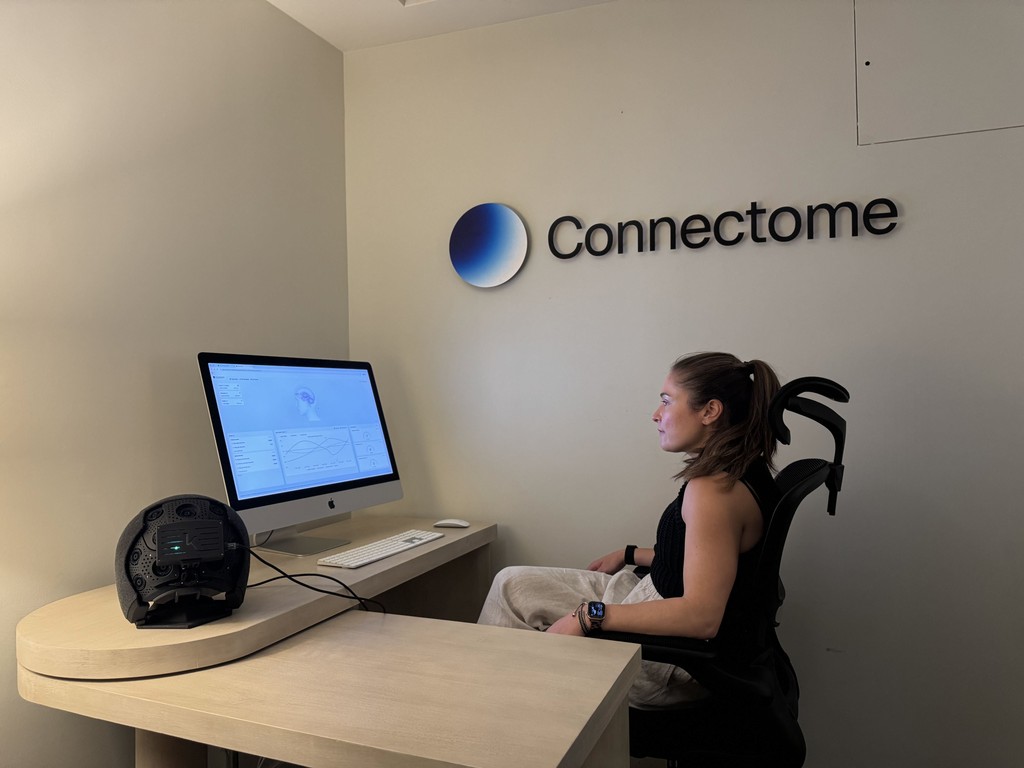
Two routes. Refer patients to our clinic in Soho and we run the scans, or run a headset on site with your own team, trained by us. Most clinics start with referrals and move on site as volume grows.
Wearables (WHOOP, Oura, Garmin, Apple, Fitbit) connect directly. Results sit in a dashboard your clinicians can use in the consultation and share with the patient, with their consent.
The method was built with Imperial College London and validated in the LUCID study (92 adults, three scans each, ICC 0.56 to 0.77). This research is a preprint and has not yet been peer reviewed. References are available on request.
Patients own their data and see it first. Clinician access is role-based and logged. We build the consent flow with you before the first scan.
Programmes are priced by patient volume and route: referral to our Soho clinic, or a headset on site with you. Pricing is on request. Book a call and we'll put a proposal together.
Most clinics start with a 20-minute call, then send a clinician to Soho for a live scan. From there we design the programme with you and scan your first patients.

Ten minutes per patient · Results the same day · Built around your clinic
Understand how each patient's brain is performing in ten minutes, so protocols, progress reviews and programme decisions run on evidence.
“What excites me about Connectome is turning decades of neuroscience research into brain measurement people can actually use, and trust, in everyday life.”
Light-based sensors read how much oxygenated haemoglobin the prefrontal cortex draws in during two short tasks. That peak response, HbO max, is the measurement everything else is built on.
Developed with Imperial College London. Read the preprint →
across the front of the brain, not a single sensor
oxygen-rich and oxygen-poor blood, tracked separately
a fresh reading from every channel, for ten minutes
Attention control, working memory, cognitive flexibility and neural efficiency, read from the signal and the patient's task performance.
From the second scan, every measure sits inside the patient's own usual range, with a confidence level. An off day and a real change look different.
Sleep, activity and recovery from Oura, WHOOP, Garmin, Apple or Fitbit, read next to every scan. Lifestyle Links show what moves with the brain.
Every scan adds to the record. Events such as a new protocol, travel or illness are logged against it, so the trend has context.
Scans, usual range, Lifestyle Links and events for every patient, in the consultation and between visits. Patients see their own results in the Connectome app.
Example screens. Figures are illustrative.
Each patient's Brain Profile tracks four measures against their own usual range, so you can see how they're really doing between visits.
Staying on what matters and filtering out what doesn't.
The patient who says they can't focus at work, and now has a number to put next to it.
Whether focus is holding across the programme, or drifting before the patient notices.
Patients describe fog, poor focus and fatigue. Now there's a baseline you can both see.
Feeling better is good. Attention and memory tracked against their own range is a measurement.
Your clinicians choose the protocol. Connectome measures either side of it, against the patient's own baseline.
One scan is interesting. Four scans over time is intelligence.
| Connectome | Online cognitive tests | EEG | MRI and other neuroimaging | |
|---|---|---|---|---|
| Primary purpose | Longitudinal monitoring of cognitive function | A one-off score | Clinical diagnostics, sleep and seizure studies | Structural or cross-sectional imaging |
| Signal quality | Light-based. Blinks, jaw and muscle movement don't swamp the signal | Depends on the device, the room and the patient's day | Sensitive to blinks, muscle, hair and electrode contact. Needs cleaning before it can be read | High inside the scanner. Any movement spoils it |
| Stability | Prefrontal activation during the tasks is stable across sessions (LUCID preprint, with Imperial College London) | Scores drift with practice and mood | Varies with set-up and electrode contact each session | Stable for structure. Function varies by session |
| Read against | The patient's own usual range, with a confidence level | A population average | Population norms or a qEEG database | Population norms, read by a radiologist |
| Scan duration | Ten minutes | Five to twenty minutes | Twenty to sixty minutes, including set-up | Up to an hour, plus the referral and the wait |
| Usability | Portable, non-invasive & user-friendly (anyone on your team can run the scan after training) | The patient, unsupervised | A trained technician, and someone to interpret the trace | A radiographer, then a radiologist to read it |
| Context integration | Lifestyle Links: sleep, activity and recovery from the patient's wearable | None | None | None |
| The patient's experience | A light headset, in your clinic. No needles, magnets or gel | A laptop | A cap of electrodes, often with gel | A tube, magnets and lying still in a hospital |
| Cost per patient | A fraction of neuroimaging | Low | Moderate, plus a technician's time | High |
Not a replacement for clinical assessment. Connectome does not diagnose, prescribe or automate decisions.
Our method was built with Imperial College London on the LUCID study. Read the preprint →
Neuroscientist and lead on the Connectome method, developed with Imperial College London and tested in the LUCID study.
Leads Connectome and its mission to give everyone vital signs for the brain: measures of brain function you can track over time.
Professor of Neurotechnology at Imperial College London, working on how we record and understand brain activity.
Leads partnerships, making sure you and your patients get everything out of Connectome.
Runs clinical operations and member care, from the first scan to the results walkthrough.
No. Connectome measures brain function for wellness and performance. It is not a medical device and does not diagnose, prescribe or automate decisions. It gives your clinicians a reliable, repeatable measure to read alongside everything else they know about the patient.
Two routes. Refer patients to our clinic in Soho and we run the scans, or run a headset on site with your own team, trained by us. Most clinics start with referrals and move on site as volume grows.
Wearables (WHOOP, Oura, Garmin, Apple, Fitbit) connect directly. Results sit in a dashboard your clinicians can use in the consultation and share with the patient, with their consent.
The method was built with Imperial College London and validated in the LUCID study (92 adults, three scans each, ICC 0.56 to 0.77). This research is a preprint and has not yet been peer reviewed. References are available on request.
Patients own their data and see it first. Clinician access is role-based and logged. We build the consent flow with you before the first scan.
Programmes are priced by patient volume and route: referral to our Soho clinic, or a headset on site with you. Pricing is on request. Book a call and we'll put a proposal together.
Most clinics start with a 20-minute call, then send a clinician to Soho for a live scan. From there we design the programme with you and scan your first patients.
Ten minutes per patient · Results the same day · Built around your clinic