18/05/2026
5 mins
Concussion in sport and why clearance doesn’t mean your brain is fine
Juliet Sharkey
Concussion recovery starts with a simple question: what exactly is your brain trying to recover from?
In boxing rings, football stadiums, and rugby pitches, the practical question is just as urgent as any Champions League fixture list: are the players truly ready to compete, or are we sending an already‑compromised brain back into impact?
Recent work in sport science has shown that concussion is not just a short‑term symptom problem. It is a hit to the autonomic nervous system, sleep, and cognitive networks that can persist quietly in the background while athletes say “I feel fine” and sail through basic assessments.
This is where we believe objective brain scanning needs to become standard.
What is the brain actually recovering from after concussion?
Concussion is often called the mildest form of traumatic brain injury, but the physiology is anything but simple. A single head impact or a block of repetitive sub‑concussive impacts can trigger:
Metabolic disruption inside neurons – ionic shifts, energy crisis, and oxidative stress
Mechanical strain on white matter and small vessels
Autonomic nervous system dysregulation – a shift toward sympathetic dominance and reduced parasympathetic “brake”
Sleep disturbance and changes in sleep architecture, which then feed back into recovery itself
On the surface, this often shows up as headache, dizziness, fatigue, and cognitive slowing. Underneath, measures like heart rate variability (HRV) and electrodermal activity (EDA) can stay abnormal long after the SCAT test is “back to normal.”
One recent study in elite athletes showed that those who took longer to return to sport still had significantly lower nocturnal HRV and fewer normal “sleep storms” – bursts of sympathetic activity linked to healthy sleep physiology and memory consolidation – weeks after they were clinically cleared. Similar work in youth and adult athletes has found non‑linear HRV changes across recovery and lingering autonomic shifts in those with a concussion history.
That combination matters. If autonomic balance and sleep‑linked physiology stay off, it is a strong signal that the brain itself has not fully reset.
What you should take away
Concussion is not just a “brain bruise”; it is a multi‑system stressor that disrupts autonomic function, sleep, and cognition.
Symptom resolution and a clean SCAT card do not guarantee physiological recovery.
Nocturnal measures like HRV and EDA can show ongoing dysregulation even when players say they “feel fine.”
Heading, sub‑concussive load, and why football is changing
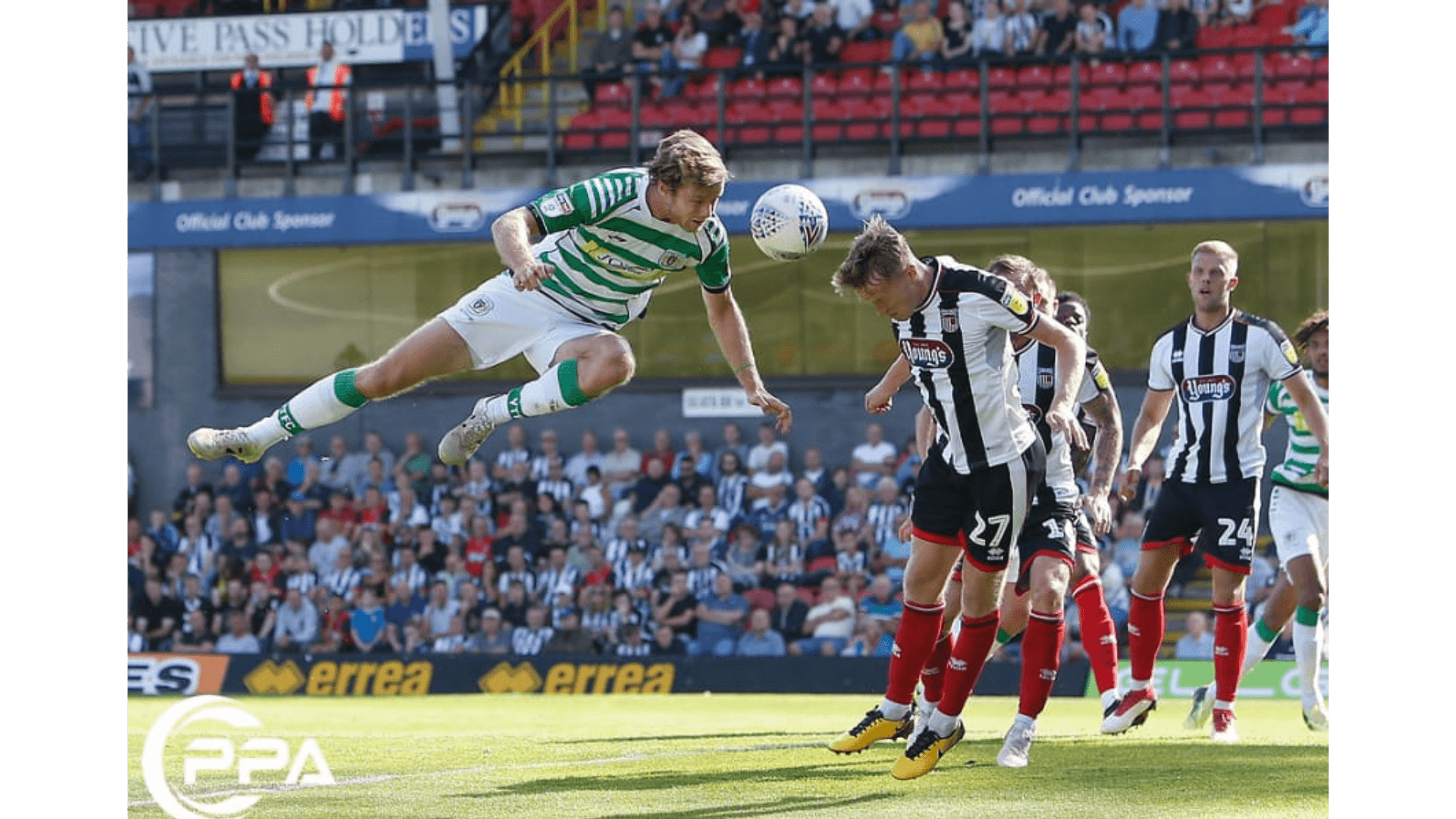
In football, heading has become a flashpoint for this debate. Large cohort studies have reported increased risk of neurodegenerative disease in former professionals, and systematic reviews now link cumulative heading exposure with changes in cognitive function.
Elite clubs and federations are already changing behaviour:
Restrictions on heading volume in youth and training
Modified balls and training drills to reduce impact energy
Growing interest from innovation hubs like Barça’s in measuring not just big concussions, but the ongoing cost of routine heading on brain health over a career
From our conversations with current players and coaches, the gap is not awareness. It is measurement.
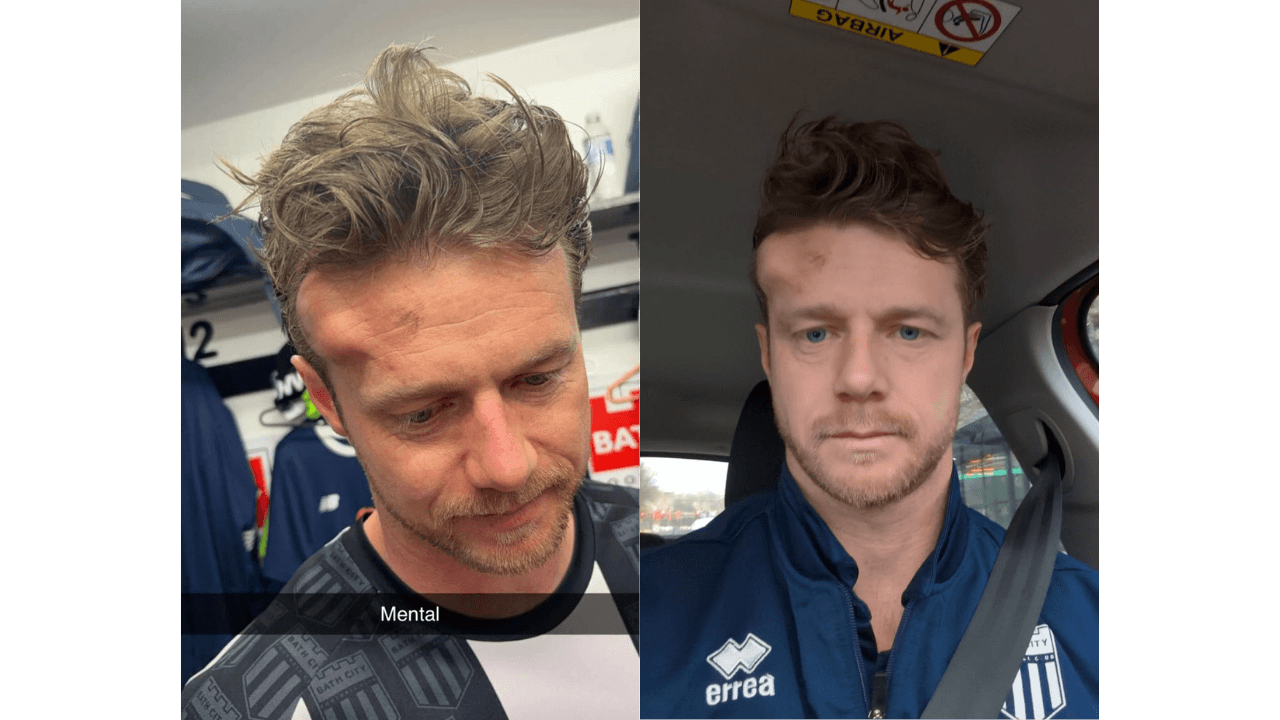
Alex Fisher, an English professional footballer, described a nearly 20‑year career with fifteen documented concussions and countless heading drills. His fears now are less about the next game and more about whether he will notice cognitive decline in his 50s. At lower‑tier clubs, he sees:
Standard SCAT testing on signing and after obvious head injuries, but little proactive cognitive monitoring
Pressure to downplay symptoms or “game” tests to stay in the team when relegation or promotion hangs in the balance
A lack of known infrastructure to brain training and long term cognitive support from clubs in the English football pyramid.
From a physiology point of view, this is exactly where longitudinal autonomic and brain data should be doing the heavy lifting: showing when an individual’s nocturnal HRV patterns, sleep storms, and cognitive networks are drifting away from their own baseline across a season of heading and fixtures.
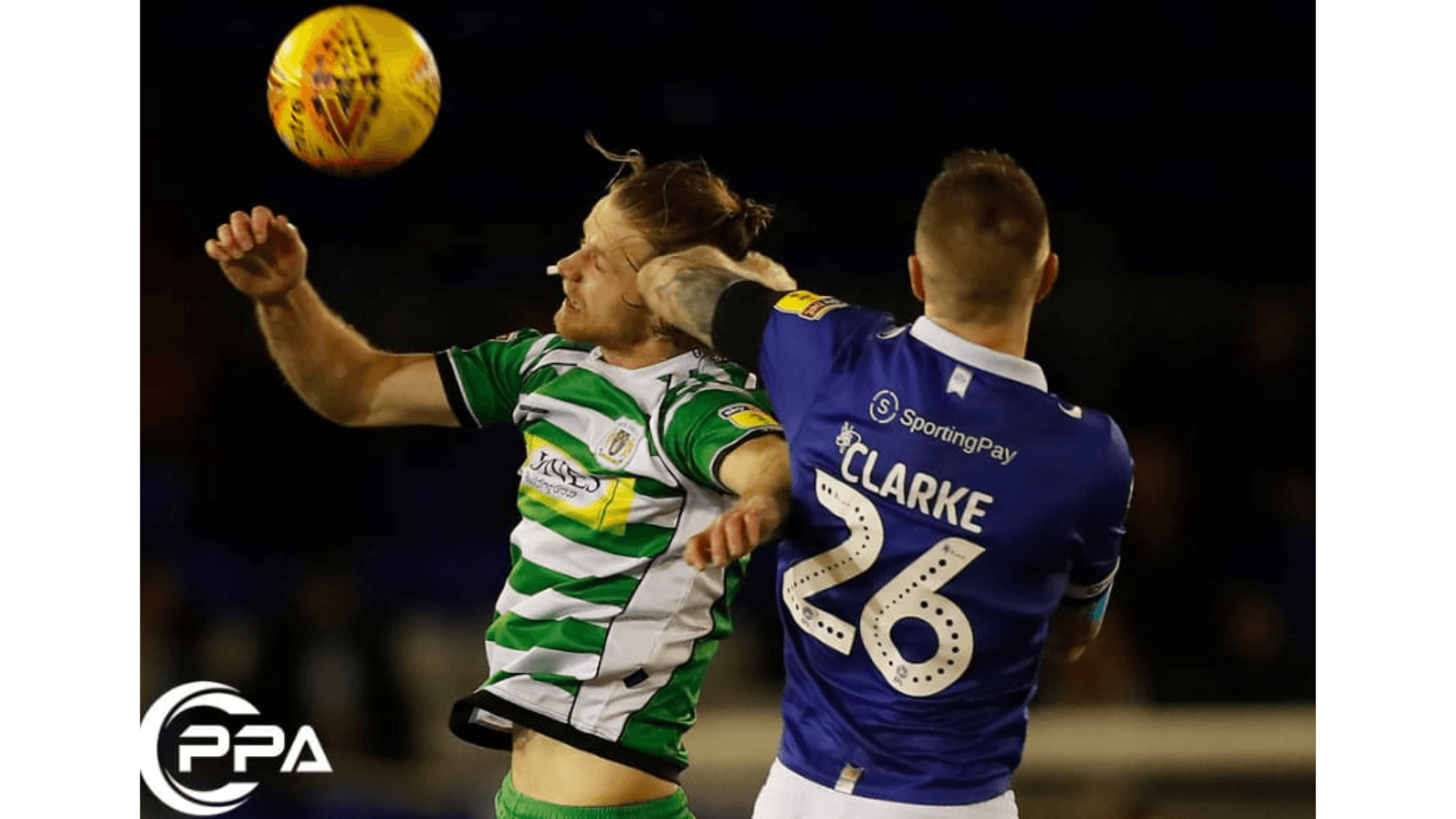
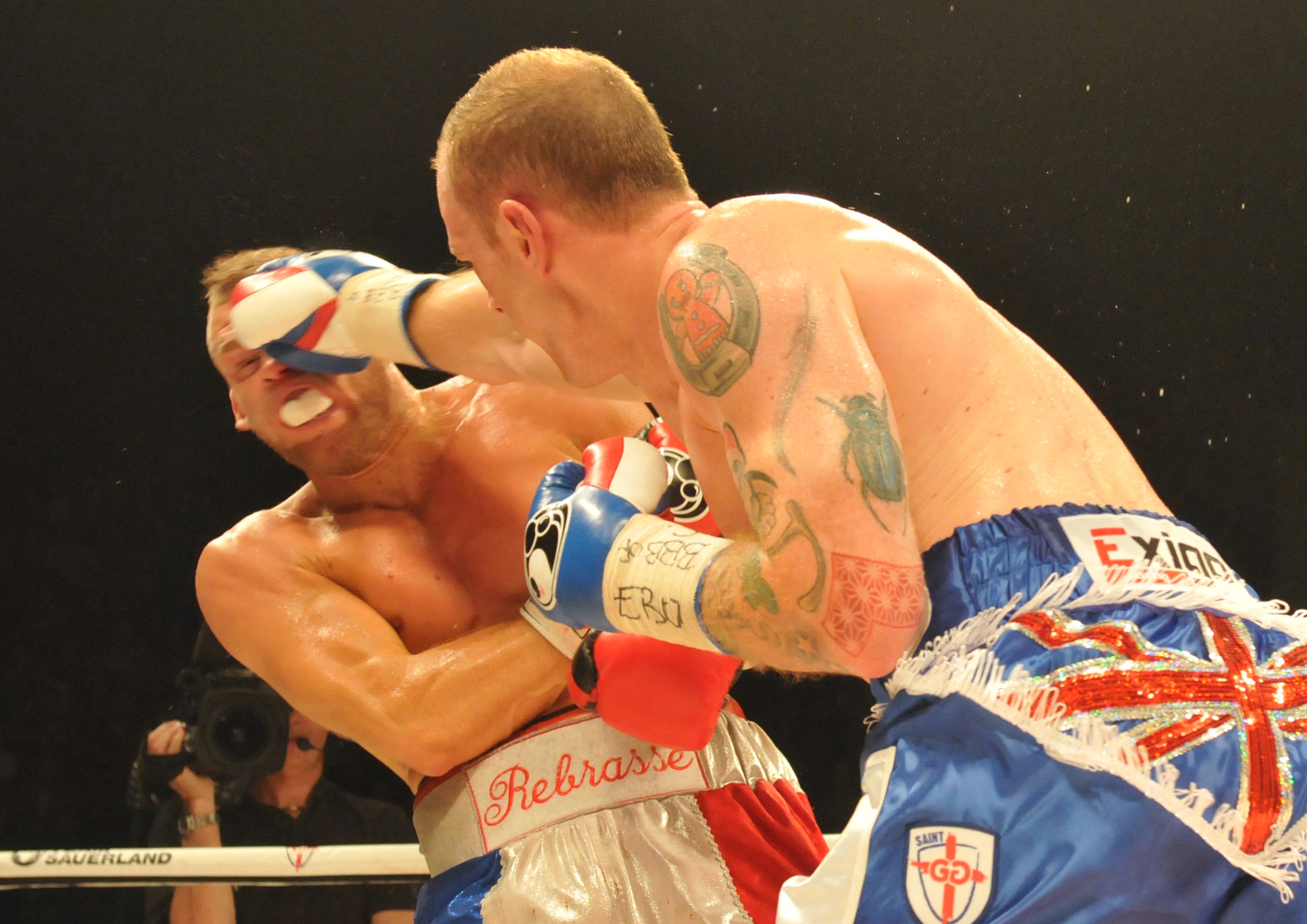
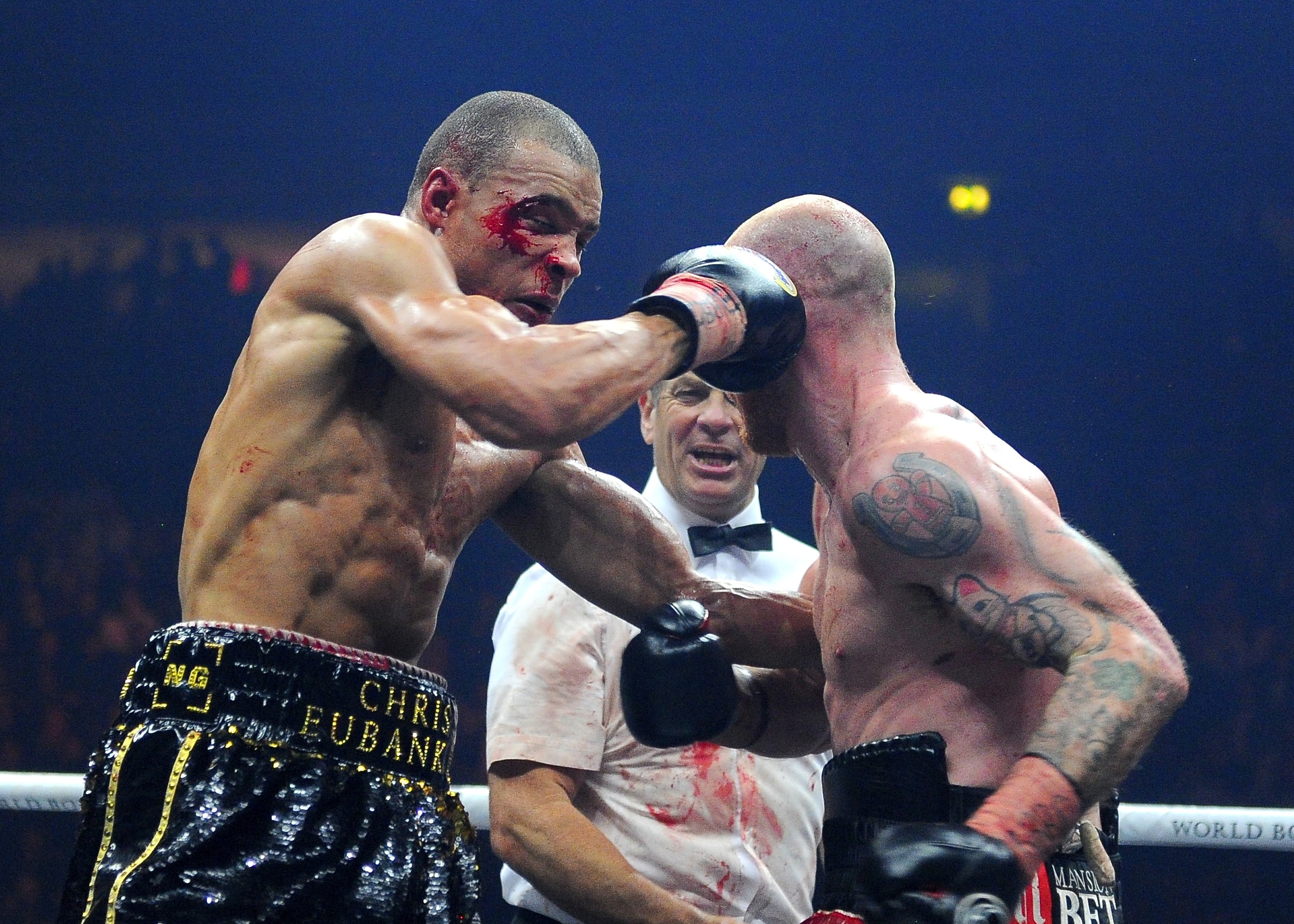
These images show the kind of ‘routine’ head impact that keeps reinforcing just how real the risk of brain injury still is…
Boxing: a “brainy sport” with blunt tools
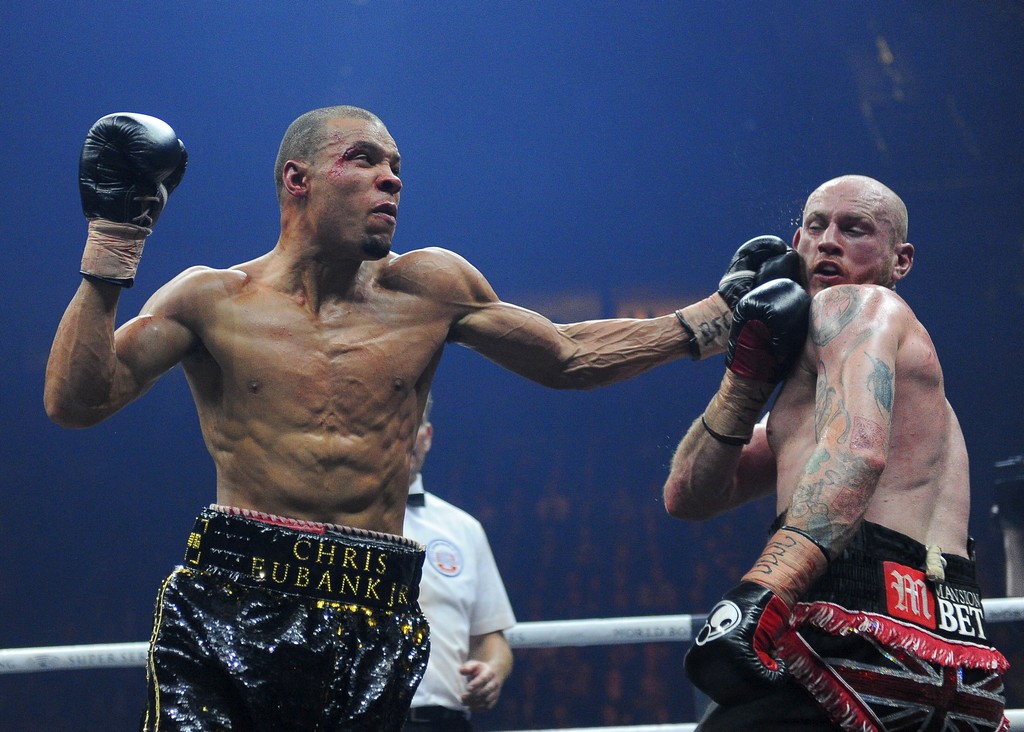
In boxing, hard head impacts are not a rare event – they are the job. Yet the tools for concussion and brain‑health decisions are often stuck in a different era.
Former world champion George Groves put it bluntly: boxing is a “brainy sport” with almost no structured brain training. Fighters are constantly dealing with:
Technical decision‑making under threat
Emotional load from fear, pressure, and identity
Accumulated sub‑concussive impacts in sparring that never show up on medical forms
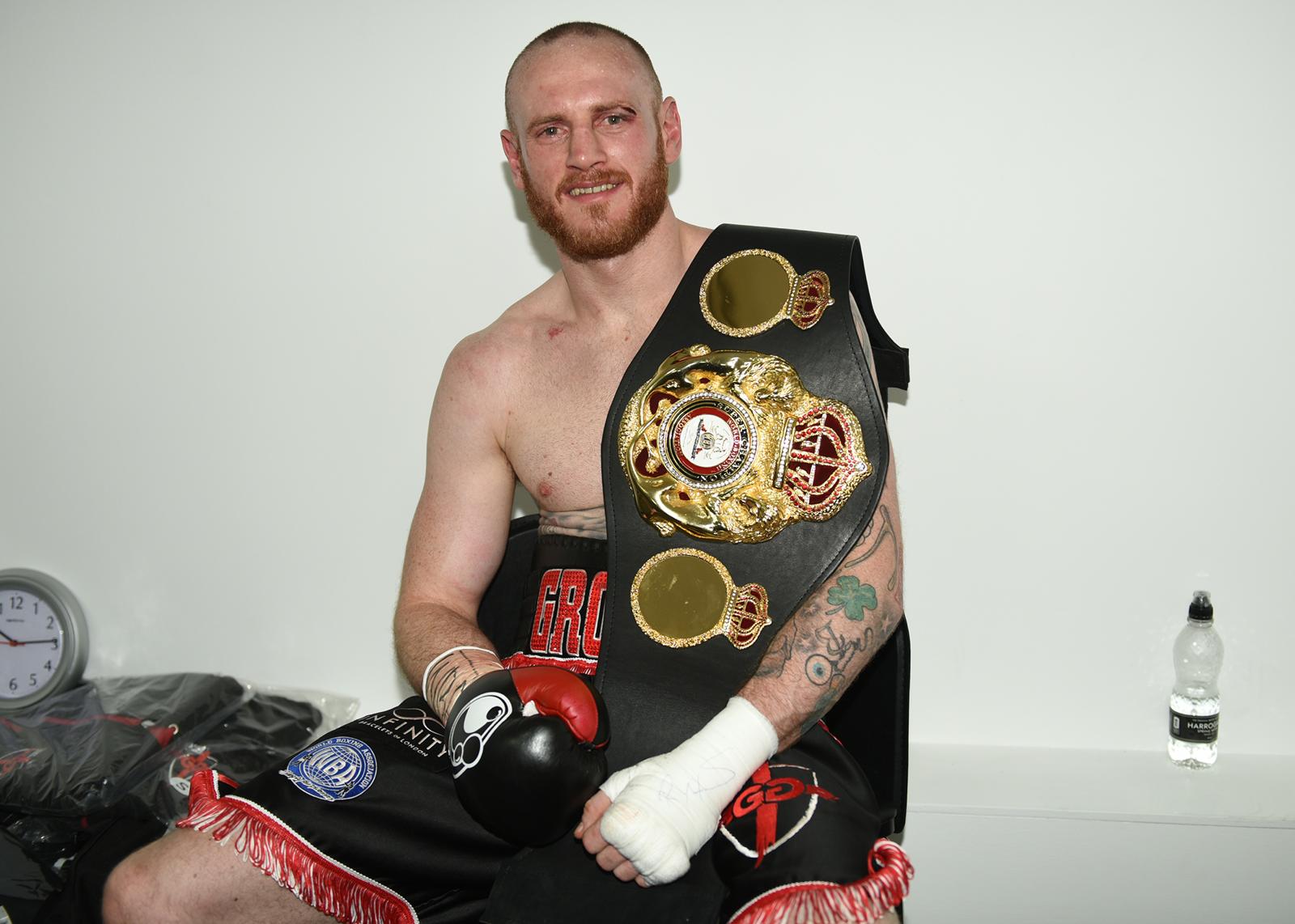
The protocols are basic. A knockout can trigger a 28–56‑day suspension, but being “buzzed” in the gym usually means a few days off and then back to hard sparring, guided by routine and coach intuition. There is very little objective data on how the brain and autonomic system are actually recovering between sessions.
Groves also highlights a different barrier: fear of data. If every abnormal measure automatically reaches a commission, a fighter’s career can end on a graph. That is why he argues for independent, private data: tools that let fighters and coaches adjust sparring, conditioning, and scheduling based on objective signals without immediately risking a license.
Physiology again supports that instinct. Autonomic changes and nocturnal HRV suppression can persist long after an athlete looks and feels “fine,” and boxing’s cumulative load makes that lag even more concerning.
Rugby: Head Injury Assessments (HIAs), long‑term brain health, and the governance question
Rugby has arguably moved fastest in formal head‑injury protocols, but players are still telling us that the process is too blunt.
Leading rugby players are now speaking openly about the intersection of player welfare and long-term brain health. For them and their peers, the current HIA system is not enough. A typical HIA relies on:
Pre‑season baseline testing in a controlled, sterile environment
In‑game removal by an independent official
Simple balance, eye‑tracking, orientation, recall, and “months backwards” tests
A standard recovery window of around seven days
The problem is clear: these are behavioural snapshots with no direct view of brain state. They rarely incorporate autonomic data, sleep‑linked physiology, or objective measures of how efficiently key networks are functioning.
What better rugby brain health support could look like:
Scan the entire team at the start and end of each season, and around key events
Give players intuitive indicators like “what percentage of my brain capacity am I operating at this week, and why is it changing?”
Build formal welfare structures that follow players into retirement, not just through tournaments
There is also a broader opportunity: governing bodies such as World Rugby and player unions would be open to funding season‑long brain‑health trials if they can show clear value in concussion and recovery insights. The public conversation – including documentaries and litigation – is already pushing policy in that direction.
Where wearables end and brain measurement has to begin
Wearables like WHOOP have already shown that nocturnal HRV, resting heart rate, respiratory rate, and sleep performance can give a powerful, practical view of how an athlete is adapting to training, stress, travel, and illness.
In concussion, those same signals become an early warning system:
Suppressed nocturnal HRV or altered sleep‑linked autonomic patterns can reflect a nervous system that has not fully reset, even when symptoms and cognitive tests look normal.
Changes in sleep storms and EDA patterns can point to altered arousal and potentially disrupted memory‑related physiology.
But heart and skin data alone do not show which brain networks are affected, how cognition is changing, or when decision‑making and awareness genuinely return to pre‑injury levels.
That is where we see Connectome fitting in.
How Connectome approaches concussion in sport
Our work with athletes starts from the same premise as modern recovery science: you cannot fix what you are not measuring.
We focus on three elements:
Objective brain measurement
We use a portable brain‑scanning headset to measure neurovascular responses while athletes perform targeted cognitive tasks. These cover memory, attention, cognitive flexibility, and decision‑making under pressure – the same domains players tell us are the first to suffer when they are tired, concussed, or coming back from injury.Baseline and longitudinal tracking
We establish individual baselines pre‑season, then rescan:After diagnosed concussions
After clusters of head impacts, such as heavy heading weeks or sparring blocks
During periods of high fixture congestion, travel, or life stress
This lets us see whether key brain networks are back to “normal for you,” or whether efficiency, connectivity, or response patterns are still off.
Integration with autonomic and lifestyle data
We combine central (brain) metrics with:Nocturnal HRV and recovery data from wearables
Sleep and travel patterns
Self‑reported symptoms and cognitive fatigue
That integrated view helps distinguish between:
A brain that is still physiologically compromised after concussion
A nervous system that is suppressed by illness or life stress
Plain deconditioning from time away from full training
What you should take away
Wearables tell you the body and nervous system are under strain; brain scanning tells you where and how cognitive networks are affected.
Baseline and repeated measures are non‑negotiable – without them, you are guessing whether an athlete is “back.”
The real value comes from pairing autonomic, sleep, and brain data with the athlete’s context: sport, position, role, and career stage.
What this means for elite sport
Across elite sports, the application varies by discipline, but the principles are the same. the same.
Contact and collision sports – Use independent, private brain and autonomic data to guide training load and recovery after high-impact events, without automatically putting a career at risk.
High-repetition sports – Track the cumulative impact of repeated sub-concussive load on awareness and decision-making, especially at levels where proactive cognitive support is limited or absent.
All team sports – Add rapid brain-state assessment and season-long tracking alongside existing protocols, so welfare decisions are grounded in objective physiology rather than only behavioural tests and fixed windows.
For players, this means moving from “I passed the test” to “I can see how my brain and nervous system have actually changed since last season.” For clubs and governing bodies, it means safer, evidence‑based return‑to‑play protocols and a new class of “brain readiness” metrics that correlate with awareness, decision‑making under fatigue, and tactical execution.
The bottom line
Concussion recovery is not a seven‑day problem. It is a long‑tail physiological process that continues after symptoms fade and clearance forms are signed.
Used well, wearables and brain‑scanning together can turn concussion management from a generic protocol into a clearer decision about whether you are dealing with:
A nervous system that has not reset
Cognitive networks that are still compromised
Or a player who is genuinely ready to return
If you are involved in player welfare, performance, or policy and want to explore a season‑long brain‑health monitoring trial, we would be keen to talk.
Sources
Delling M, Jakobsmeyer R, and colleagues. Nocturnal autonomic activity in athletes with regular versus prolonged return to sport after sport-related concussion. Scientific Reports (2026).
Liao YS, Hinds AL, et al. Heart rate variability following youth concussion: how do autonomic regulation and concussion symptoms differ over time postinjury? BMJ Open Sport & Exercise Medicine (2018).
Acute sport-related concussion suppresses heart rate variability that persists beyond clinical recovery. British Journal of Sports Medicine abstract/proceedings.
Cognitive Effects of Heading in Professional Football. Systematic review, PubMed/PMC record (2025).
Cognitive functioning and soccer heading: one-year follow-up. PMC article on heading and cognitive outcomes in soccer players (2025).
Barça Innovation Hub and related football brain-health discussion on heading exposure and long-term player health context.
Partner with confidence
If you’re exploring how cognitive intelligence can support performance, health, and decision-making across your organisation, we’d love to talk.

Partner with confidence
If you’re exploring how cognitive intelligence can support performance, health, and decision-making across your organisation, we’d love to talk.
Partner with confidence
If you’re exploring how cognitive intelligence can support performance, health, and decision-making across your organisation, we’d love to talk.
18/05/2026
5 mins
Concussion in sport and why clearance doesn’t mean your brain is fine
Juliet Sharkey
Concussion recovery starts with a simple question: what exactly is your brain trying to recover from?
In boxing rings, football stadiums, and rugby pitches, the practical question is just as urgent as any Champions League fixture list: are the players truly ready to compete, or are we sending an already‑compromised brain back into impact?
Recent work in sport science has shown that concussion is not just a short‑term symptom problem. It is a hit to the autonomic nervous system, sleep, and cognitive networks that can persist quietly in the background while athletes say “I feel fine” and sail through basic assessments.
This is where we believe objective brain scanning needs to become standard.
What is the brain actually recovering from after concussion?
Concussion is often called the mildest form of traumatic brain injury, but the physiology is anything but simple. A single head impact or a block of repetitive sub‑concussive impacts can trigger:
Metabolic disruption inside neurons – ionic shifts, energy crisis, and oxidative stress
Mechanical strain on white matter and small vessels
Autonomic nervous system dysregulation – a shift toward sympathetic dominance and reduced parasympathetic “brake”
Sleep disturbance and changes in sleep architecture, which then feed back into recovery itself
On the surface, this often shows up as headache, dizziness, fatigue, and cognitive slowing. Underneath, measures like heart rate variability (HRV) and electrodermal activity (EDA) can stay abnormal long after the SCAT test is “back to normal.”
One recent study in elite athletes showed that those who took longer to return to sport still had significantly lower nocturnal HRV and fewer normal “sleep storms” – bursts of sympathetic activity linked to healthy sleep physiology and memory consolidation – weeks after they were clinically cleared. Similar work in youth and adult athletes has found non‑linear HRV changes across recovery and lingering autonomic shifts in those with a concussion history.
That combination matters. If autonomic balance and sleep‑linked physiology stay off, it is a strong signal that the brain itself has not fully reset.
What you should take away
Concussion is not just a “brain bruise”; it is a multi‑system stressor that disrupts autonomic function, sleep, and cognition.
Symptom resolution and a clean SCAT card do not guarantee physiological recovery.
Nocturnal measures like HRV and EDA can show ongoing dysregulation even when players say they “feel fine.”
Heading, sub‑concussive load, and why football is changing
In football, heading has become a flashpoint for this debate. Large cohort studies have reported increased risk of neurodegenerative disease in former professionals, and systematic reviews now link cumulative heading exposure with changes in cognitive function.
Elite clubs and federations are already changing behaviour:
Restrictions on heading volume in youth and training
Modified balls and training drills to reduce impact energy
Growing interest from innovation hubs like Barça’s in measuring not just big concussions, but the ongoing cost of routine heading on brain health over a career
From our conversations with current players and coaches, the gap is not awareness. It is measurement.
Alex Fisher, an English professional footballer, described a nearly 20‑year career with fifteen documented concussions and countless heading drills. His fears now are less about the next game and more about whether he will notice cognitive decline in his 50s. At lower‑tier clubs, he sees:
Standard SCAT testing on signing and after obvious head injuries, but little proactive cognitive monitoring
Pressure to downplay symptoms or “game” tests to stay in the team when relegation or promotion hangs in the balance
A lack of known infrastructure to brain training and long term cognitive support from clubs in the English football pyramid.
From a physiology point of view, this is exactly where longitudinal autonomic and brain data should be doing the heavy lifting: showing when an individual’s nocturnal HRV patterns, sleep storms, and cognitive networks are drifting away from their own baseline across a season of heading and fixtures.
These images show the kind of ‘routine’ head impact that keeps reinforcing just how real the risk of brain injury still is…
Boxing: a “brainy sport” with blunt tools
In boxing, hard head impacts are not a rare event – they are the job. Yet the tools for concussion and brain‑health decisions are often stuck in a different era.
Former world champion George Groves put it bluntly: boxing is a “brainy sport” with almost no structured brain training. Fighters are constantly dealing with:
Technical decision‑making under threat
Emotional load from fear, pressure, and identity
Accumulated sub‑concussive impacts in sparring that never show up on medical forms
The protocols are basic. A knockout can trigger a 28–56‑day suspension, but being “buzzed” in the gym usually means a few days off and then back to hard sparring, guided by routine and coach intuition. There is very little objective data on how the brain and autonomic system are actually recovering between sessions.
Groves also highlights a different barrier: fear of data. If every abnormal measure automatically reaches a commission, a fighter’s career can end on a graph. That is why he argues for independent, private data: tools that let fighters and coaches adjust sparring, conditioning, and scheduling based on objective signals without immediately risking a license.
Physiology again supports that instinct. Autonomic changes and nocturnal HRV suppression can persist long after an athlete looks and feels “fine,” and boxing’s cumulative load makes that lag even more concerning.
Rugby: Head Injury Assessments (HIAs), long‑term brain health, and the governance question
Rugby has arguably moved fastest in formal head‑injury protocols, but players are still telling us that the process is too blunt.
Leading rugby players are now speaking openly about the intersection of player welfare and long-term brain health. For them and their peers, the current HIA system is not enough. A typical HIA relies on:
Pre‑season baseline testing in a controlled, sterile environment
In‑game removal by an independent official
Simple balance, eye‑tracking, orientation, recall, and “months backwards” tests
A standard recovery window of around seven days
The problem is clear: these are behavioural snapshots with no direct view of brain state. They rarely incorporate autonomic data, sleep‑linked physiology, or objective measures of how efficiently key networks are functioning.
What better rugby brain health support could look like:
Scan the entire team at the start and end of each season, and around key events
Give players intuitive indicators like “what percentage of my brain capacity am I operating at this week, and why is it changing?”
Build formal welfare structures that follow players into retirement, not just through tournaments
There is also a broader opportunity: governing bodies such as World Rugby and player unions would be open to funding season‑long brain‑health trials if they can show clear value in concussion and recovery insights. The public conversation – including documentaries and litigation – is already pushing policy in that direction.
Where wearables end and brain measurement has to begin
Wearables like WHOOP have already shown that nocturnal HRV, resting heart rate, respiratory rate, and sleep performance can give a powerful, practical view of how an athlete is adapting to training, stress, travel, and illness.
In concussion, those same signals become an early warning system:
Suppressed nocturnal HRV or altered sleep‑linked autonomic patterns can reflect a nervous system that has not fully reset, even when symptoms and cognitive tests look normal.
Changes in sleep storms and EDA patterns can point to altered arousal and potentially disrupted memory‑related physiology.
But heart and skin data alone do not show which brain networks are affected, how cognition is changing, or when decision‑making and awareness genuinely return to pre‑injury levels.
That is where we see Connectome fitting in.
How Connectome approaches concussion in sport
Our work with athletes starts from the same premise as modern recovery science: you cannot fix what you are not measuring.
We focus on three elements:
Objective brain measurement
We use a portable brain‑scanning headset to measure neurovascular responses while athletes perform targeted cognitive tasks. These cover memory, attention, cognitive flexibility, and decision‑making under pressure – the same domains players tell us are the first to suffer when they are tired, concussed, or coming back from injury.Baseline and longitudinal tracking
We establish individual baselines pre‑season, then rescan:After diagnosed concussions
After clusters of head impacts, such as heavy heading weeks or sparring blocks
During periods of high fixture congestion, travel, or life stress
This lets us see whether key brain networks are back to “normal for you,” or whether efficiency, connectivity, or response patterns are still off.
Integration with autonomic and lifestyle data
We combine central (brain) metrics with:Nocturnal HRV and recovery data from wearables
Sleep and travel patterns
Self‑reported symptoms and cognitive fatigue
That integrated view helps distinguish between:
A brain that is still physiologically compromised after concussion
A nervous system that is suppressed by illness or life stress
Plain deconditioning from time away from full training
What you should take away
Wearables tell you the body and nervous system are under strain; brain scanning tells you where and how cognitive networks are affected.
Baseline and repeated measures are non‑negotiable – without them, you are guessing whether an athlete is “back.”
The real value comes from pairing autonomic, sleep, and brain data with the athlete’s context: sport, position, role, and career stage.
What this means for elite sport
Across elite sports, the application varies by discipline, but the principles are the same. the same.
Contact and collision sports – Use independent, private brain and autonomic data to guide training load and recovery after high-impact events, without automatically putting a career at risk.
High-repetition sports – Track the cumulative impact of repeated sub-concussive load on awareness and decision-making, especially at levels where proactive cognitive support is limited or absent.
All team sports – Add rapid brain-state assessment and season-long tracking alongside existing protocols, so welfare decisions are grounded in objective physiology rather than only behavioural tests and fixed windows.
For players, this means moving from “I passed the test” to “I can see how my brain and nervous system have actually changed since last season.” For clubs and governing bodies, it means safer, evidence‑based return‑to‑play protocols and a new class of “brain readiness” metrics that correlate with awareness, decision‑making under fatigue, and tactical execution.
The bottom line
Concussion recovery is not a seven‑day problem. It is a long‑tail physiological process that continues after symptoms fade and clearance forms are signed.
Used well, wearables and brain‑scanning together can turn concussion management from a generic protocol into a clearer decision about whether you are dealing with:
A nervous system that has not reset
Cognitive networks that are still compromised
Or a player who is genuinely ready to return
If you are involved in player welfare, performance, or policy and want to explore a season‑long brain‑health monitoring trial, we would be keen to talk.
Sources
Delling M, Jakobsmeyer R, and colleagues. Nocturnal autonomic activity in athletes with regular versus prolonged return to sport after sport-related concussion. Scientific Reports (2026).
Liao YS, Hinds AL, et al. Heart rate variability following youth concussion: how do autonomic regulation and concussion symptoms differ over time postinjury? BMJ Open Sport & Exercise Medicine (2018).
Acute sport-related concussion suppresses heart rate variability that persists beyond clinical recovery. British Journal of Sports Medicine abstract/proceedings.
Cognitive Effects of Heading in Professional Football. Systematic review, PubMed/PMC record (2025).
Cognitive functioning and soccer heading: one-year follow-up. PMC article on heading and cognitive outcomes in soccer players (2025).
Barça Innovation Hub and related football brain-health discussion on heading exposure and long-term player health context.
Partner with confidence
If you’re exploring how cognitive intelligence can support performance, health, and decision-making across your organisation, we’d love to talk.
Partner with confidence
If you’re exploring how cognitive intelligence can support performance, health, and decision-making across your organisation, we’d love to talk.
Partner with confidence
If you’re exploring how cognitive intelligence can support performance, health, and decision-making across your organisation, we’d love to talk.