28/09/2026
6 mins
Brain health and the women's health gap: insights from our fem-tech roundtable

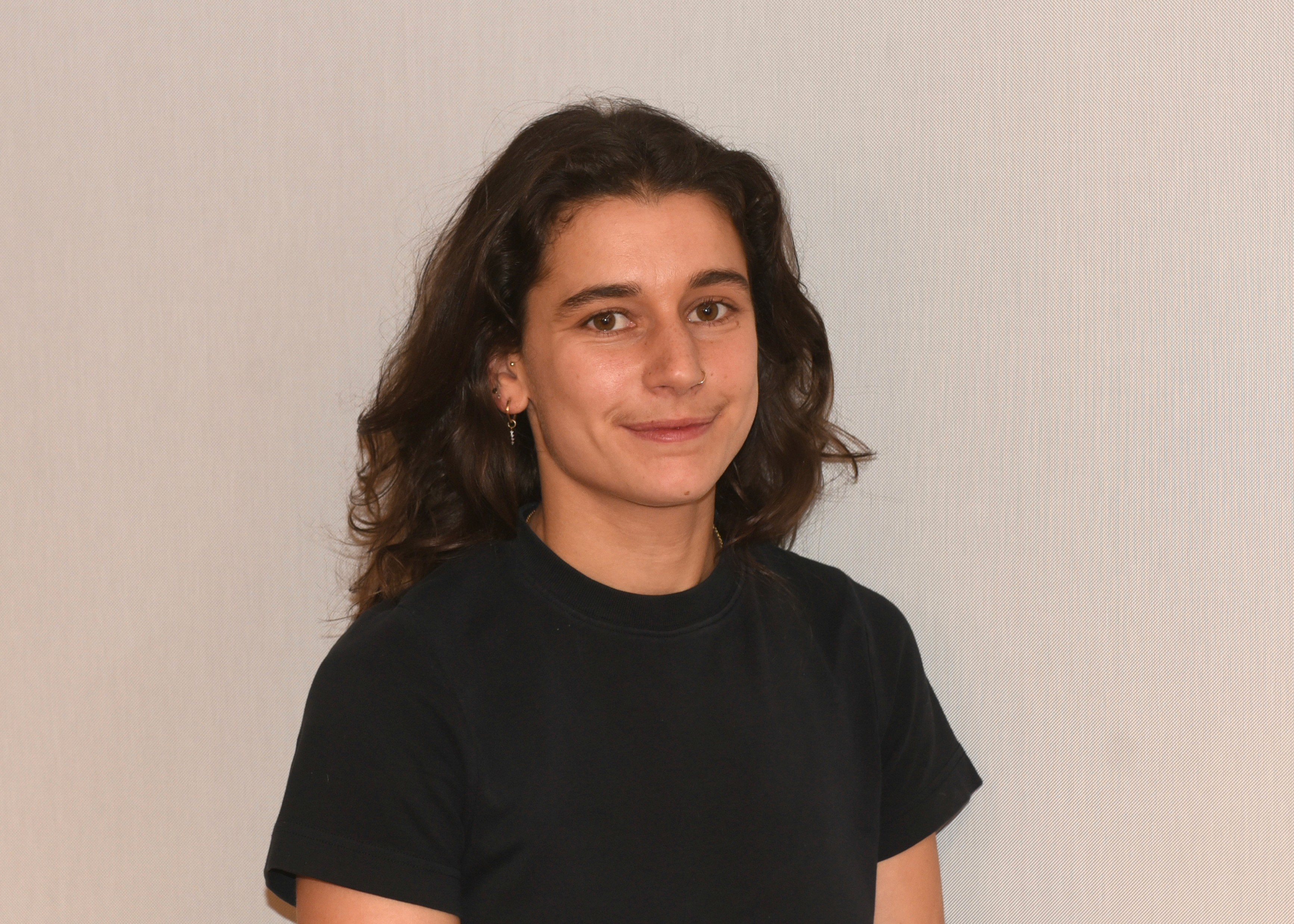
Juliet Sharkey
This month, we gathered three leaders in women's health from neurostimulation, precision hormone prescribing, and functional medicine to explore a single question: where could brain measurement meaningfully support women's cognitive health?
The guests:
Dr Emilė Radytė PhD, CEO of Samphire Neuroscience and a neuroscientist (PhD) with a decade in brain stimulation, building neuromodulation treatments designed specifically for women's neurophysiology.
Dr Mayoni Gooneratne, a surgeon-turned-functional-medicine doctor and medical director of PHC Clinics, running metabolic health and women's-health programmes at scale.
Dr Paulina Cecula, co-founder of Dama Health, building clinical AI that brings personalised female hormone health at scale and conducts novel research in hormonal treatment response variability.
What we found was a landscape of unmet needs, diagnostic blind spots, and an enormous opportunity to build tools that actually match how women experience their brains.
The Problem Isn't Just "Brain Fog"
Ask a woman about her cognitive health, and you'll often hear "brain fog." But that word masks at least a dozen distinct experiences.
Is it word retrieval that's stalled? General fuzziness? A sugar-low feeling that sharpens with caffeine? Sleep-dependent? Cyclical? Structural or functional?
Doctors lack validated language to parse these differences. "Brain fog isn't a diagnosis," as one roundtable participant put it, and there's almost no non-stigmatized clinical language for these experiences at all. One doctor recalled being diagnosed with postnatal anxiety when what she actually felt was "sleep-deprived and angry, not anxious."
The specificity matters because the fix depends on it. Dr. Mayoni, a surgeon-turned-functional-medicine doctor, frames this through what she calls the "house analogy": genetics and early trauma form the soil; gut microbiome the foundations; relationships the walls; immune system the roof; metabolism, hormones, mitochondria, and circadian rhythm make up the interior; toxins and life triggers are the exterior. Brain fog, from this view, isn't solved in isolation. Itrequires working across every layer at once.
That framing is why a single brain scan, without context, tells an incomplete story.
The Cognitive Health Crises We're Missing
The roundtable surfaced seven linked problem areas, many of them inadequately recognised:
Perimenopause and menopause. Brain fog, mood shifts, sleep disruption, migraine, and attentional symptoms cluster around hormonal transitions. For high-functioning women in senior roles, these aren't minor quality-of-life issues. They're the thing that stops them performing at their peak. Yet there are no reference ranges for how hormones show up in brain measures, and no validated way to distinguish hormonal brain changes from other causes.
PMDD and hormonal sensitivity. Premenstrual dysphoric disorder remains severely underdiagnosed and undertreated. Progesterone intolerance, in particular, often presents as mental-health symptoms and brain fog, a diagnostic blind spot that leaves women and clinicians alike misinterpreting what's actually happening. The evidence is thin, but there may be meaningful links between PMDD, PMS, prenatal depression, and postnatal depression. We don't know, in part, because we've never measured the brain through these transitions at scale.
Postnatal depression. We tend to frame this as sleep deprivation. What if it's actually a critical metabolic inflection point that deserves different intervention?
ADHD across the cycle. Women's ADHD symptoms and scores fluctuate across the menstrual cycle and intensify at perimenopause, yet neurodivergent baselines look fundamentally different from neurotypical ones. Without flagging that as a confound, not an anomaly, we'll keep misdiagnosing and mistreating.
Hormonal treatment response and intolerance. This covers exogenous hormones, including hormonal contraceptives and menopause hormone therapy (MHT). There is no good tooling to separate women who do well on a given formulation from those who don't, or to support data-backed titration once intolerance is suspected.
Across all of these, the pattern is the same: women are told their symptoms aren't "real" because the numbers don't match expectations, or they're left guessing whether to adjust medications, dosing, or life entirely.
Why Brain Measurement Alone Isn't the Answer
The roundtable wasn't "how do we scan more women?" It was "what would actually be useful?"
That question revealed some hard truths.
On biotyping and diagnostic claims: Linking brain markers to specific neuropsychiatric profiles is a growing field, but it's not mature enough to build consumer-facing products on. The risk is real: if a woman's lived experience doesn't match what her brain data says, we've just recreated the gaslighting pattern she's already experienced ("your PMDD can't be real because your hormones test normal"). A clinician-facing, decision-support model where a doctor uses the data to explain what's happening and why, feels safer and more credible near-term than direct-to-consumer diagnostic claims.
On predictive markers: Inferring brain state from wearables alone carries risk. Cyclical variation means a follicular-phase extrapolation won't hold in the luteal phase, and if a woman gets a predicted brain score she can't hit, she's disappointed. Safer framing: "you could improve" rather than a specific predicted number.
On normalisation: Without reliable cycle-phase data, scans taken weeks apart are hard to compare. A practical starting point is to compare luteal-to-luteal and follicular-to-follicular, rather than averaging across the cycle. Integrating a cycle-tracking app or wearable with the Connectome platform could help provide that context without relying on women to recall dates.
The deeper insight: brain measurement is a tool, not a diagnosis. It needs to sit alongside hormonal data, metabolic markers, sleep, genetics, and lived experience to be actionable.
What Good Data Actually Looks Like
The roundtable landed on a shortlist of inputs needed to make brain measurement meaningful:
Hormonal and reproductive data: Cycle phase (ideally via wearable); exact hormonal treatment formulation and dose, whether hormonal contraception or MHT; pregnancy and postpartum stage; menopausal status. Most biobanks miss this level of detail. They record "on HRT" but not which oestrogen or progestogen, at what dose, or for how long.
Physiological markers: Sleep quality and duration; cardiovascular data; current medications. And alongside that, the markers Mayoni's functional-medicine framework highlights: inflammatory markers (hs-CRP), metabolic health (glucose variability via CGM), cardiovascular risk (ApoB, TMAO), micronutrient status (B12, folate, ferritin), and vitamin D. Each of these shifts brain function.
Self-report: Validated symptom scales; subjective cognitive load; structured questionnaires. Wearables can feed some of this (Oura, Whoop, Clue, Luna already collect cycle and sleep data), but they're patchy — structured data collection still matters for research consistency.
Environmental and contextual data: Pollution, noise, travel, life stressors. Often unmeasured, but relevant.
And critically: normalization.
Outputs That Actually Change Practice
Here's where it got concrete.
Clinicians need three things from brain data:
Confirmation: Something is actually happening.
Tracking: Whether an intervention is working.
Explanation: If the needle moves 20% but not 80%, why?
That last one is the sharpest question, and current tools don't answer it well.
The roundtable participants — running neurostimulation, hormone optimization, and metabolic-reset programmes — emphasized that the output needs to split by audience. A clinician gets a SOAP-style, structured clinical report. A patient gets plain language, friendly design, and framing that actually motivates action.
Dama Health, Oura, and Natural Cycles already do this — same underlying data, two different reports. And the framing matters: instead of a weekly score, zoom out to biological age and long-term brain health. Peter Attia's question — "what do you want to still be able to do at 80?" — landed as a powerful motivational anchor. Whoop's health-age score does this well: it reframes daily metrics as part of a life-long trajectory.
The difference between "your Working Memory score is 67" and "your current habits support brain health at the level of a 45-year-old" is enormous.
How Connectome Is Already Building This
This roundtable wasn't theoretical. We brought together these partners because we're already actioning it.
Building the normative dataset. Connectome currently has 60–80 engaged women with multiple scans. Our ambition is to grow that into a 1,000-woman normative cohort, giving us a stronger basis for meaningful reference ranges and identifying patterns over time. One route raised in the roundtable was working to trace back hormone formulation and cycle data from their existing participant base, which could give us a substantial head start on building that baseline.
Wearable and metabolic integration. Connectome already pulls wearables (Oura, Whoop, Garmin, Apple Wartch). That infrastructure is working today. We work to bring additional neutral dataincluding blood labs, cycle apps, and journals into a single view to deepen the contextual data flowing alongside brain scans.
Active clinical partnerships with real users. Building decision-support outputs specifically designed to help doctors, clinicians, and clinics explain residual non-response, optimize intervention timing, and personalize the given protocols.
Why This Matters Now
Women's cognitive health sits at the intersection of neuroscience, endocrinology, metabolic health, and lived experience. We have better tools to measure the brain than ever before. We have wearables that track cycles. We have genetic and pharmacogenetic data that explains why some women thrive on a hormone and others don't.
What we don't have — yet — is the integration. Brain data that speaks to hormonal state. Outputs that clinicians can act on. Frameworks that validate women's experiences instead of dismissing them.
The roundtable showed that the appetite is there. Clinicians want better tools. Women want to understand what's happening. The femtech and brain-health spaces are ready to converge.
The question now is: how do we build that integration in a way that's safe, credible, and actually useful?
Partner with confidence
If you’re exploring how cognitive intelligence can support performance, health, and decision-making across your organisation, we’d love to talk.

Partner with confidence
If you’re exploring how cognitive intelligence can support performance, health, and decision-making across your organisation, we’d love to talk.
Partner with confidence
If you’re exploring how cognitive intelligence can support performance, health, and decision-making across your organisation, we’d love to talk.
28/09/2026
6 mins
Brain health and the women's health gap: insights from our fem-tech roundtable
Juliet Sharkey
This month, we gathered three leaders in women's health from neurostimulation, precision hormone prescribing, and functional medicine to explore a single question: where could brain measurement meaningfully support women's cognitive health?
The guests:
Dr Emilė Radytė PhD, CEO of Samphire Neuroscience and a neuroscientist (PhD) with a decade in brain stimulation, building neuromodulation treatments designed specifically for women's neurophysiology.
Dr Mayoni Gooneratne, a surgeon-turned-functional-medicine doctor and medical director of PHC Clinics, running metabolic health and women's-health programmes at scale.
Dr Paulina Cecula, co-founder of Dama Health, building clinical AI that brings personalised female hormone health at scale and conducts novel research in hormonal treatment response variability.
What we found was a landscape of unmet needs, diagnostic blind spots, and an enormous opportunity to build tools that actually match how women experience their brains.
The Problem Isn't Just "Brain Fog"
Ask a woman about her cognitive health, and you'll often hear "brain fog." But that word masks at least a dozen distinct experiences.
Is it word retrieval that's stalled? General fuzziness? A sugar-low feeling that sharpens with caffeine? Sleep-dependent? Cyclical? Structural or functional?
Doctors lack validated language to parse these differences. "Brain fog isn't a diagnosis," as one roundtable participant put it, and there's almost no non-stigmatized clinical language for these experiences at all. One doctor recalled being diagnosed with postnatal anxiety when what she actually felt was "sleep-deprived and angry, not anxious."
The specificity matters because the fix depends on it. Dr. Mayoni, a surgeon-turned-functional-medicine doctor, frames this through what she calls the "house analogy": genetics and early trauma form the soil; gut microbiome the foundations; relationships the walls; immune system the roof; metabolism, hormones, mitochondria, and circadian rhythm make up the interior; toxins and life triggers are the exterior. Brain fog, from this view, isn't solved in isolation. Itrequires working across every layer at once.
That framing is why a single brain scan, without context, tells an incomplete story.
The Cognitive Health Crises We're Missing
The roundtable surfaced seven linked problem areas, many of them inadequately recognised:
Perimenopause and menopause. Brain fog, mood shifts, sleep disruption, migraine, and attentional symptoms cluster around hormonal transitions. For high-functioning women in senior roles, these aren't minor quality-of-life issues. They're the thing that stops them performing at their peak. Yet there are no reference ranges for how hormones show up in brain measures, and no validated way to distinguish hormonal brain changes from other causes.
PMDD and hormonal sensitivity. Premenstrual dysphoric disorder remains severely underdiagnosed and undertreated. Progesterone intolerance, in particular, often presents as mental-health symptoms and brain fog, a diagnostic blind spot that leaves women and clinicians alike misinterpreting what's actually happening. The evidence is thin, but there may be meaningful links between PMDD, PMS, prenatal depression, and postnatal depression. We don't know, in part, because we've never measured the brain through these transitions at scale.
Postnatal depression. We tend to frame this as sleep deprivation. What if it's actually a critical metabolic inflection point that deserves different intervention?
ADHD across the cycle. Women's ADHD symptoms and scores fluctuate across the menstrual cycle and intensify at perimenopause, yet neurodivergent baselines look fundamentally different from neurotypical ones. Without flagging that as a confound, not an anomaly, we'll keep misdiagnosing and mistreating.
Hormonal treatment response and intolerance. This covers exogenous hormones, including hormonal contraceptives and menopause hormone therapy (MHT). There is no good tooling to separate women who do well on a given formulation from those who don't, or to support data-backed titration once intolerance is suspected.
Across all of these, the pattern is the same: women are told their symptoms aren't "real" because the numbers don't match expectations, or they're left guessing whether to adjust medications, dosing, or life entirely.
Why Brain Measurement Alone Isn't the Answer
The roundtable wasn't "how do we scan more women?" It was "what would actually be useful?"
That question revealed some hard truths.
On biotyping and diagnostic claims: Linking brain markers to specific neuropsychiatric profiles is a growing field, but it's not mature enough to build consumer-facing products on. The risk is real: if a woman's lived experience doesn't match what her brain data says, we've just recreated the gaslighting pattern she's already experienced ("your PMDD can't be real because your hormones test normal"). A clinician-facing, decision-support model where a doctor uses the data to explain what's happening and why, feels safer and more credible near-term than direct-to-consumer diagnostic claims.
On predictive markers: Inferring brain state from wearables alone carries risk. Cyclical variation means a follicular-phase extrapolation won't hold in the luteal phase, and if a woman gets a predicted brain score she can't hit, she's disappointed. Safer framing: "you could improve" rather than a specific predicted number.
On normalisation: Without reliable cycle-phase data, scans taken weeks apart are hard to compare. A practical starting point is to compare luteal-to-luteal and follicular-to-follicular, rather than averaging across the cycle. Integrating a cycle-tracking app or wearable with the Connectome platform could help provide that context without relying on women to recall dates.
The deeper insight: brain measurement is a tool, not a diagnosis. It needs to sit alongside hormonal data, metabolic markers, sleep, genetics, and lived experience to be actionable.
What Good Data Actually Looks Like
The roundtable landed on a shortlist of inputs needed to make brain measurement meaningful:
Hormonal and reproductive data: Cycle phase (ideally via wearable); exact hormonal treatment formulation and dose, whether hormonal contraception or MHT; pregnancy and postpartum stage; menopausal status. Most biobanks miss this level of detail. They record "on HRT" but not which oestrogen or progestogen, at what dose, or for how long.
Physiological markers: Sleep quality and duration; cardiovascular data; current medications. And alongside that, the markers Mayoni's functional-medicine framework highlights: inflammatory markers (hs-CRP), metabolic health (glucose variability via CGM), cardiovascular risk (ApoB, TMAO), micronutrient status (B12, folate, ferritin), and vitamin D. Each of these shifts brain function.
Self-report: Validated symptom scales; subjective cognitive load; structured questionnaires. Wearables can feed some of this (Oura, Whoop, Clue, Luna already collect cycle and sleep data), but they're patchy — structured data collection still matters for research consistency.
Environmental and contextual data: Pollution, noise, travel, life stressors. Often unmeasured, but relevant.
And critically: normalization.
Outputs That Actually Change Practice
Here's where it got concrete.
Clinicians need three things from brain data:
Confirmation: Something is actually happening.
Tracking: Whether an intervention is working.
Explanation: If the needle moves 20% but not 80%, why?
That last one is the sharpest question, and current tools don't answer it well.
The roundtable participants — running neurostimulation, hormone optimization, and metabolic-reset programmes — emphasized that the output needs to split by audience. A clinician gets a SOAP-style, structured clinical report. A patient gets plain language, friendly design, and framing that actually motivates action.
Dama Health, Oura, and Natural Cycles already do this — same underlying data, two different reports. And the framing matters: instead of a weekly score, zoom out to biological age and long-term brain health. Peter Attia's question — "what do you want to still be able to do at 80?" — landed as a powerful motivational anchor. Whoop's health-age score does this well: it reframes daily metrics as part of a life-long trajectory.
The difference between "your Working Memory score is 67" and "your current habits support brain health at the level of a 45-year-old" is enormous.
How Connectome Is Already Building This
This roundtable wasn't theoretical. We brought together these partners because we're already actioning it.
Building the normative dataset. Connectome currently has 60–80 engaged women with multiple scans. Our ambition is to grow that into a 1,000-woman normative cohort, giving us a stronger basis for meaningful reference ranges and identifying patterns over time. One route raised in the roundtable was working to trace back hormone formulation and cycle data from their existing participant base, which could give us a substantial head start on building that baseline.
Wearable and metabolic integration. Connectome already pulls wearables (Oura, Whoop, Garmin, Apple Wartch). That infrastructure is working today. We work to bring additional neutral dataincluding blood labs, cycle apps, and journals into a single view to deepen the contextual data flowing alongside brain scans.
Active clinical partnerships with real users. Building decision-support outputs specifically designed to help doctors, clinicians, and clinics explain residual non-response, optimize intervention timing, and personalize the given protocols.
Why This Matters Now
Women's cognitive health sits at the intersection of neuroscience, endocrinology, metabolic health, and lived experience. We have better tools to measure the brain than ever before. We have wearables that track cycles. We have genetic and pharmacogenetic data that explains why some women thrive on a hormone and others don't.
What we don't have — yet — is the integration. Brain data that speaks to hormonal state. Outputs that clinicians can act on. Frameworks that validate women's experiences instead of dismissing them.
The roundtable showed that the appetite is there. Clinicians want better tools. Women want to understand what's happening. The femtech and brain-health spaces are ready to converge.
The question now is: how do we build that integration in a way that's safe, credible, and actually useful?
Partner with confidence
If you’re exploring how cognitive intelligence can support performance, health, and decision-making across your organisation, we’d love to talk.
Partner with confidence
If you’re exploring how cognitive intelligence can support performance, health, and decision-making across your organisation, we’d love to talk.
Partner with confidence
If you’re exploring how cognitive intelligence can support performance, health, and decision-making across your organisation, we’d love to talk.